Tired of Noise? Discover How the Right uPVC Windows Bring Peace
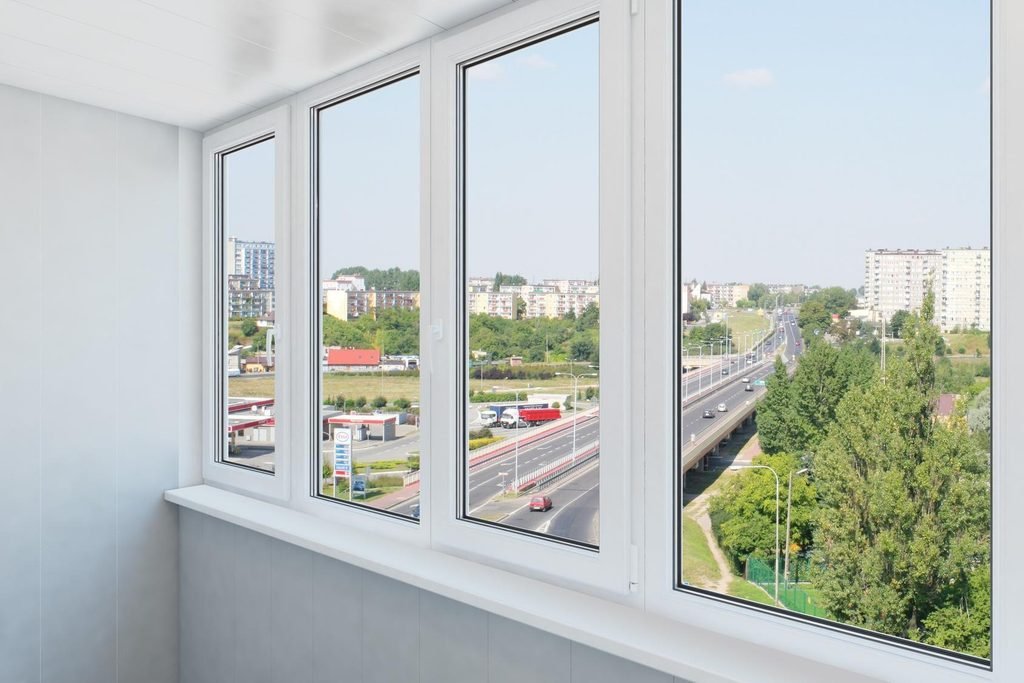
Imagine relaxing in your living room, working from home, or enjoying a peaceful night’s sleep without constant traffic sounds, construction noise, or disturbances from the street. In busy Indian cities, unwanted outdoor noise can affect everyday comfort and make it difficult to concentrate or relax.
Choosing the right windows can make a noticeable difference. Modern uPVC windows combine durable frames, suitable glazing, and effective sealing to help reduce the amount of outside noise entering your home.
However, noise reduction depends on several factors, including window design, glass configuration, installation quality, and the condition of the seals. Understanding these factors can help you choose the right solution for your space.
In this guide, we explore how uPVC windows help create quieter interiors, what affects uPVC windows cost, and how to select reliable uPVC windows suppliers for your home or building project.
Can uPVC Windows Reduce Outside Noise?
Yes, uPVC windows can help reduce outside noise when the frame, glazing, seals, and installation are appropriately specified. Double glazing and acoustic laminated glass may improve sound insulation in suitable configurations. However, the results depend on the complete window assembly, the type of noise, and the quality of installation.
For homes near busy roads or construction areas, ask the supplier about the available glazing options, sealing system, and acoustic test results for the proposed window configuration.
Can the Right Windows Make Your Home Quieter?
Yes. The right window configuration can help reduce outdoor noise and create a more comfortable indoor environment. Windows with well-designed frames, effective seals, and suitable glazing can limit the transmission of sound through the window opening.
For homes near busy roads, schools, commercial areas, or construction sites, choosing appropriate windows can be especially useful.
The level of noise reduction varies according to the type of noise, glass thickness, glazing arrangement, frame design, installation, and other sound paths within the building.
Why Outside Noise Enters Through Windows
Sound travels through the air as vibrations. When traffic, machinery, conversations, or construction activity produces sound outside, some of that sound can enter a building through windows, doors, walls, and gaps around openings.
Windows can become a weak point when they have loose seals, poorly fitted frames, or gaps between the sash and frame. Even small openings can allow sound to pass through more easily.
Common sources of unwanted noise include:
- Traffic, vehicle horns, and busy roads.
- Construction work and industrial activity.
- Neighbourhood conversations and outdoor gatherings.
- Schools, markets, and commercial spaces.
- Trains, aircraft, and other transportation sources.
Identifying where the noise enters is an important first step. If sound is also travelling through walls, ceilings, ventilation openings, or doors, replacing windows alone may not solve the entire problem.
How Window Design Affects Indoor Comfort
Window design influences both sound insulation and everyday comfort. The frame material, glass configuration, opening style, and sealing system all contribute to overall performance.
A well-designed window should fit securely within its opening and close properly. Effective seals help reduce gaps, while suitable glazing can improve the window’s ability to limit sound transmission.
Casement windows, for example, can close firmly against their seals when correctly adjusted. Sliding windows can also provide useful noise reduction when designed with appropriate glazing, sealing, and hardware.
The best choice depends on your building, ventilation needs, available space, and the type of noise you want to reduce.
How uPVC Windows Help Reduce Outside Noise
uPVC, or unplasticised polyvinyl chloride, is widely used for modern window frames because of its durability and low-maintenance characteristics. When combined with suitable glazing and effective sealing, uPVC windows can help reduce the amount of outside noise entering a room.
Their performance depends on the complete window system rather than the frame material alone.
For homeowners comparing different window options, it is important to ask about acoustic performance, glass specifications, air sealing, and installation quality.
The Role of Window Seals and Tight Fitting
Window seals play an important role in limiting the movement of air and sound through gaps. A properly fitted uPVC window uses compatible sealing components to close the space between the movable sash and the frame.
Effective sealing can help reduce unwanted sound transmission while also limiting drafts and dust entry.
When choosing windows, look for:
- Quality sealing gaskets suitable for the window system.
- Accurate frame measurements and proper fitting.
- Smooth operation and secure closure.
- Correct alignment of the sash and frame.
- Hardware that maintains consistent closing pressure.
Over time, worn seals, loose hardware, or misalignment can affect performance. Periodic inspection and maintenance help keep windows operating as intended.
How Double Glazing Can Improve Noise Reduction
Double-glazed windows use two panes of glass separated by a sealed space. This configuration can improve sound insulation compared with some single-glazed designs, depending on the glass thickness, spacing, and overall construction.
For better acoustic performance, the glass specification matters. Using different glass thicknesses in a double-glazed unit can help reduce certain sound frequencies more effectively than using identical panes. Laminated acoustic glass may also be worth considering for locations exposed to higher noise levels.
Before choosing a glazing configuration, consider the following:
- Glass thickness: Influences how the glass responds to sound vibrations.
- Air or gas-filled cavity: The space between the panes affects acoustic performance.
- Glass combination: Different pane thicknesses may improve performance across a broader range of frequencies.
- Frame and seal quality: Poor sealing can reduce the benefit of upgraded glazing.
- Installation: Gaps around the frame can allow sound to bypass the glass.
If noise reduction is a major priority, ask the supplier for tested acoustic performance data for the complete window assembly. Double glazing can help, but it does not guarantee complete silence.
Which Window Features Help Reduce Outside Noise?
Different components contribute to a window’s overall sound insulation. Before selecting uPVC windows, compare the following features.
| Window feature | How it helps | What to check |
| uPVC frame and profile | Supports the overall window assembly | Profile specifications and suitability for the opening |
| Double glazing | Can improve sound insulation in suitable configurations | Glass thickness, pane combination, and cavity |
| Acoustic laminated glass | May help reduce certain types of sound transmission | Available specifications and test results |
| Window seals | Help limit sound entering through gaps | Seal quality, condition, and correct fitting |
| Opening style | Influences how the window closes against its seals | Suitability of casement or sliding designs |
| Hardware | Supports smooth operation and secure closure | Correct adjustment and compatibility |
| Professional installation | Helps prevent gaps around the frame | Accurate measurement, fixing, and perimeter sealing |
The best configuration depends on the noise level around your property, the dimensions of the opening, ventilation requirements, and your budget. Where noise reduction is a priority, request acoustic performance data for the complete window assembly rather than relying on general product claims.
Choosing uPVC Windows for a Peaceful Home
Selecting suitable uPVC windows in India involves more than choosing a colour or style. Consider the noise levels around your property, the dimensions of each opening, the type of glass, and the window’s intended use.
A bedroom facing a busy road may need a different specification from a kitchen window overlooking a quiet garden.
Features to Check Before Buying
Before selecting uPVC windows, review the following features:
1. Frame quality: Choose a suitable profile system designed for the intended window size and application.
2. Glass configuration: Ask about single or double glazing, glass thickness, and options such as laminated acoustic glass.
3. Sealing system: Check that the design provides appropriate seals around the opening and that the window closes securely.
4. Opening style: Consider sliding or casement windows based on available space, ventilation needs, and sealing requirements.
5. Hardware quality: Suitable handles, rollers, hinges, and locking components support reliable operation and proper closure.
6. Maintenance requirements: Ask how the seals, tracks, and hardware should be inspected and maintained.
7. Acoustic performance: Where available, request test results for the complete window configuration rather than relying on general marketing claims.
Comparing these details helps you identify a window system that suits your comfort requirements and budget.
Why Professional Installation Matters
Even high-quality windows may deliver disappointing results if they are not installed correctly. Gaps around the frame, poor alignment, incomplete sealing, or incorrect adjustments can allow noise to enter the room.
Professional installation helps ensure that the window frame is positioned correctly, the sash closes properly, and the perimeter is sealed using suitable materials.
A good installation process should include accurate measurements, secure fixing, proper adjustment of hardware, and inspection of the finished opening.
For the best results, discuss your noise concerns with the supplier and installer before placing your order. This allows them to recommend a suitable configuration and identify any other building gaps that may need attention.
What Affects uPVC Windows Cost?
The uPVC windows cost varies according to the dimensions, profile system, opening style, glazing, hardware, finish, and installation requirements.
A standard window with a straightforward design may cost less than a large customised window with upgraded glazing and specialised hardware. For this reason, it is better to compare complete quotations rather than relying only on a price per square foot.
Window Size, Design and Opening Style
Window size is one of the main factors affecting the overall price. Larger openings generally require more material and may need additional structural or hardware considerations.
The design also influences cost. Sliding windows, casement windows, fixed windows, and customised combinations can have different material and hardware requirements.
Other factors include:
- Overall height and width.
- Number of opening panels.
- Profile series and frame specifications.
- Colour and surface finish.
- Custom shapes or special configurations.
- Hardware and locking arrangements.
When requesting a quotation, share the approximate dimensions and preferred design for each opening. Accurate measurements help suppliers provide a more relevant estimate.
How to Choose uPVC Windows for a Quieter Home
The right window configuration depends on where your home is located and how outdoor noise affects your everyday activities.
Homes Near Busy Roads
Traffic noise and vehicle horns can affect bedrooms, living rooms, and other spaces facing the road. Ask your supplier about glazing combinations, effective seals, and tested acoustic performance for the proposed window system.
Bedrooms Facing Noisy Streets
For bedrooms, consider how well the window closes, the type of glazing, and the condition of the seals. Also check whether noise enters through doors, ventilation openings, or gaps elsewhere in the room.
Apartments in Busy Residential Areas
Noise from nearby homes, commercial activity, and construction may enter through several parts of a building. Assess the main sources of sound before deciding whether window replacement alone is likely to address the problem.
Existing uPVC Windows
If your current windows are not reducing noise as expected, check for worn seals, misaligned sashes, loose hardware, and gaps around the frame. Correct adjustments or repairs may help, depending on the cause.
Before purchasing, ask for a clear specification covering the profile, glazing, seals, hardware, installation, warranty, and any available acoustic test results.
Glass Type, Sealing and Installation Costs
The glass specification can make a difference to the final price. Standard glass, double-glazed units, laminated glass, and specialised acoustic glazing have different costs and performance characteristics.
Other cost considerations include:
- Type and thickness of glass.
- Double-glazing configuration and cavity.
- Quality of sealing components.
- Handles, hinges, rollers, and locking hardware.
- Installation labour and site accessibility.
- Removal of old windows, if required.
- Transportation and finishing work.
If your priority is noise reduction, compare the acoustic performance of the proposed window options alongside their prices. The least expensive option may not deliver the comfort you need, while the most expensive option may offer features unnecessary for your location.
Request an itemised quotation that clearly states the window dimensions, profile series, glass specification, hardware, installation scope, and applicable warranty.
How to Choose Reliable uPVC Windows Suppliers
Choosing the right supplier is important for obtaining windows that meet your design, quality, and performance requirements. A reliable supplier should be able to explain the available profile options, glazing configurations, hardware compatibility, and installation requirements clearly.
When comparing uPVC windows suppliers, evaluate product specifications, fabrication capabilities, delivery commitments, and after-sales support rather than focusing on price alone.
What Should You Ask uPVC Windows Suppliers Before Buying?
Before finalising your order, ask the supplier these questions:
- Which uPVC profile series and window configurations are available?
- What glazing options can be used for better sound insulation?
- Are technical specifications or acoustic test reports available for the proposed assembly?
- What sealing system and hardware are included?
- Is professional measurement and installation available?
- What are the estimated manufacturing and delivery timelines?
- What warranty and after-sales support are provided?
- Are replacement hardware and maintenance services available?
Clear answers make it easier to compare quotations and understand exactly what you are purchasing.
If you are a builder, architect, contractor, dealer, or window fabricator, also consider the supplier’s product range, technical assistance, supply capabilities, and consistency of specifications.
Why Product Quality and Installation Should Be Considered Together
A window’s performance depends on the relationship between its frame, glass, seals, hardware, fabrication, and installation. A high-quality profile cannot compensate for poor fabrication, and suitable glazing may not provide its expected benefit if the opening is incorrectly fitted.
Reliable suppliers and experienced fabricators help ensure that the selected components work together as intended.
Before approving the final order, confirm the specifications in writing and make sure that the installed product matches the agreed configuration. This helps avoid misunderstandings about glazing, dimensions, hardware, and installation scope.
Explore Sarvesh Eroline uPVC Profile Solutions
A quieter home starts with choosing windows that suit your surroundings. Whether your property is near a busy road, a commercial area, or a growing residential neighbourhood, the right combination of profiles, glazing, sealing, and professional installation can help improve indoor comfort.
Sarvesh Eroline offers uPVC profile solutions for door and window applications. Homeowners, builders, architects, contractors, dealers, and fabricators can explore suitable product configurations based on their project requirements.
Choosing windows for a quieter home involves more than selecting a frame material. The profile system, glazing, sealing components, fabrication, and installation all contribute to the performance of the finished window.
When evaluating Eroline window solutions, discuss your preferred opening style, dimensions, glazing options, and noise-reduction requirements with your dealer or fabricator. Ask for the specifications of the proposed configuration so you can make an informed decision.
Explore Eroline uPVC doors and windows: https://www.sarvesheroline.com/
Eroline – India’s First ISI Certified uPVC Doors & Windows.
Conclusion
Outside noise does not have to dominate your everyday living experience. Choosing well-designed uPVC windows with suitable glazing and effective seals can help create a calmer, more comfortable indoor environment.
Before making a purchase, consider your surroundings, compare specifications, understand the factors affecting uPVC windows cost, and work with reliable suppliers and experienced installers.
Explore Sarvesh Eroline uPVC profile solutions and speak with an authorised dealer or fabricator to find a suitable configuration for your next project.
Frequently Asked Questions
Do uPVC windows help reduce outside noise?
Yes. uPVC windows with suitable glazing, effective seals, and proper installation can help reduce outside noise. The level of reduction depends on the complete window design, the type of sound, and the quality of installation.
What affects uPVC windows’ cost?
uPVC windows cost depends on window size, opening style, profile series, glass type, hardware, sealing components, colour, customisation, and installation charges. Request an itemised quotation to compare different options accurately.
Are double-glazed uPVC windows better for noise reduction?
Double-glazed uPVC windows can offer better sound insulation than some single-glazed windows. Performance depends on glass thickness, the space between panes, the use of laminated glass, frame design, and the quality of sealing. Ask for acoustic test data when available.
How do I choose reliable uPVC windows suppliers?
Compare suppliers based on profile specifications, glazing options, fabrication quality, delivery timelines, installation support, warranty terms, and after-sales service. Ask for technical documentation and a detailed quotation before placing an order.
Are uPVC windows suitable for homes near busy roads?
Yes. uPVC windows with appropriate acoustic glazing, effective seals, and professional installation can be suitable for homes near busy roads. For high-noise locations, discuss specialised glazing options and request evidence of the expected acoustic performance.
Can window seals affect noise reduction?
Yes. Gaps, damaged seals, or poor alignment can allow sound to pass through more easily. Proper fitting, adjustment, and maintenance help the window perform as intended.
Trending Blogs
-
#1. How to Choose a Premium uPVC Profile Manufacturer in India
-
#2. uPVC Doors for Bathroom in Bangalore for Modern Apartments
-
#3. What Are the Pros & Cons of Casement Windows?
-
#4. How to Select uPVC Doors and Windows for Offices and Commercial Buildings
-
#5. Best uPVC Windows in Hyderabad for Heat and Dust Protection
-
#6. How uPVC Windows Protect Homes During the Monsoon
-
#7. Which uPVC Door Is Best for Apartments and Modern Homes Today
-
#8. Why Are uPVC Windows the Best Choice for Modern Villa Homes?
-
#9. uPVC vs Aluminium Windows: Which Is Better for Your Home?
-
#10. Why Are uPVC Casement Windows Best for Modern Homes Today
Latest Blogs