

uPVC Windows: The Complete Guide for Indian Homeowners (2026)
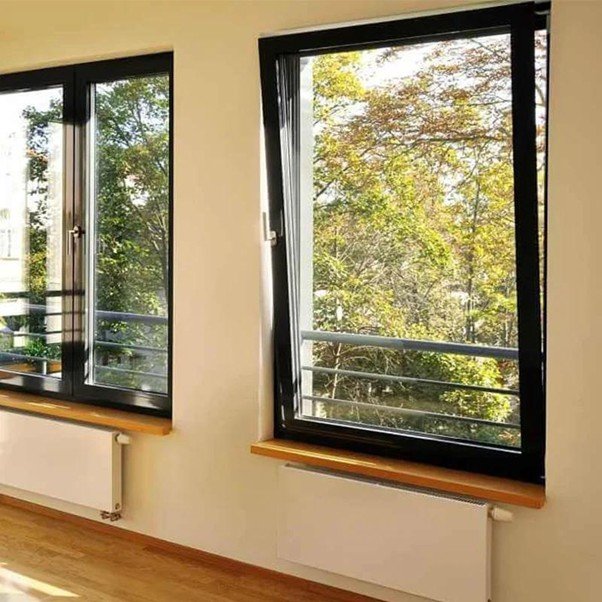
If you’re planning to upgrade your home in 2026, uPVC windows are one of the smartest investments you can make. From energy efficiency to noise reduction and durability, they outperform traditional window materials in India’s diverse climate.
Whether you’re looking for uPVC windows Bangalore, Delhi, or Hyderabad, this guide covers everything — types, pricing, performance, and installation. According to modern building and insulation standards, soundproof uPVC windows are among the most energy-efficient window systems for residential properties.
What are uPVC windows?
uPVC windows are durable, low-maintenance window systems made from unplasticized polyvinyl chloride (uPVC). They are popular in India because they offer better insulation, noise reduction, weather resistance, and energy efficiency compared to traditional aluminium or wooden windows.
uPVC Windows: Quick Summary
- Best for Indian climate conditions
- Better insulation than aluminium
- Low maintenance and long lifespan
- Ideal for noise reduction in cities
- Double glazing improves energy efficiency
What are uPVC windows and why are they popular in India?
uPVC (Unplasticized Polyvinyl Chloride) windows are modern, durable window systems made from rigid plastic that doesn’t warp, rust, or corrode.
Why Indian homeowners prefer uPVC:
- Resistant to heat, rain, and humidity
- Low maintenance (no painting or polishing)
- Excellent insulation for both temperature and sound
- Long lifespan (20–30 years+)
- Ideal for urban environments like Bangalore, Delhi, and Hyderabad
uPVC vs aluminium vs wood windows — which is best for Indian homes?
| Feature | uPVC | Aluminium | Wood |
| Insulation | Excellent | Poor | Good |
| Maintenance | Very Low | Low | High |
| Durability | 25–30 years | 20–25 years | 10–15 years |
| Cost | Moderate | Moderate | Expensive |
| Weather Resistance | Excellent | Good | Poor |
👉 Verdict: uPVC is the best all-rounder for Indian conditions.
Thermal performance comparison: uPVC, aluminium, and wood
- uPVC: Keeps interiors cooler in summer & warmer in winter
- Aluminium: Conducts heat, making rooms hotter
- Wood: Moderate insulation but needs maintenance
Lifespan and maintenance: what to expect over 10, 20, and 30 years
- 10 years: uPVC looks almost new with minimal upkeep
- 20 years: No structural damage, only gasket replacements
- 30 years: Still functional with basic servicing
Why Homeowners Prefer Modern uPVC Windows in 2026
Modern homeowners prefer uPVC windows because they:
- Reduce electricity bills
- Improve indoor comfort
- Increase property value
- Require minimal maintenance
Which uPVC Window Should You Choose?
Which Type of uPVC Window Is Best for Your Home?
| Requirement | Recommended Window Type |
| Better ventilation | Casement |
| Space-saving apartments | Sliding |
| Premium homes | Tilt-and-turn |
| Maximum natural light | Bay windows |
| Noise reduction | Double-glazed casement |
Who should install uPVC windows?
uPVC windows are ideal for:
- Apartment owners in noisy cities
- Villas exposed to heat and rain
- Homeowners looking for energy savings
- Families wanting low-maintenance windows
Why uPVC windows are growing rapidly in India
In cities like Bangalore, Delhi, Hyderabad, and Chennai, homeowners are increasingly choosing the best uPVC windows in India due to rising temperatures, traffic noise, dust, and the need for energy-efficient homes.
Is uPVC safe, recyclable, and environmentally friendly?
Yes. Modern uPVC:
- Is lead-free and non-toxic
- Can be recycled multiple times
- Reduces energy consumption → lowers carbon footprint
Types of uPVC windows available in India
Casement uPVC windows
- Hinged windows that open outward/inward
- Best for ventilation
- Ideal for bedrooms & kitchens
Sliding uPVC windows
- Space-saving design
- Smooth horizontal movement
- Perfect for apartments and balconies
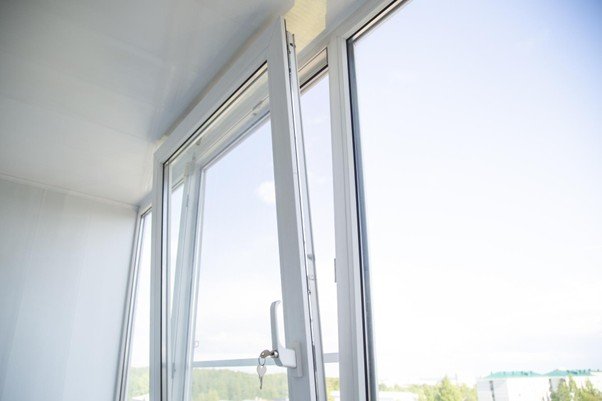
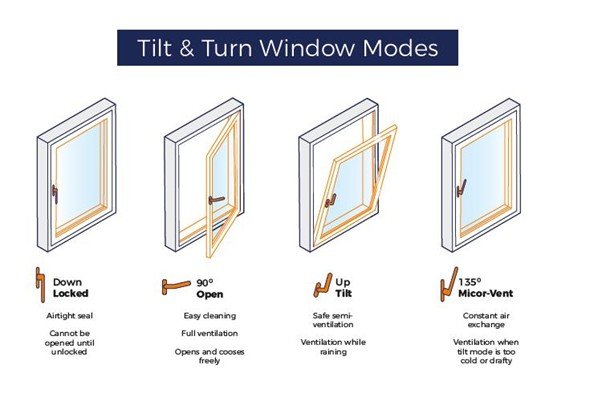
Tilt-and-turn uPVC windows
- Dual opening (tilt + swing)
- Great for ventilation + safety
- Premium option
Fixed and bay uPVC windows
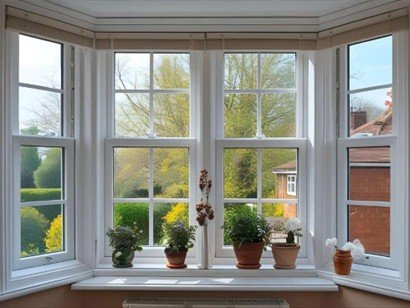
- Fixed: for natural light
- Bay: enhances aesthetics and space
- Ideal for living rooms
What are the key benefits of double glazed uPVC windows for India’s climate?
Thermal insulation and energy savings
- Reduces AC usage
- Keeps interiors comfortable
- Saves electricity bills
Sound insulation and traffic noise reduction
Perfect for cities like Chennai, Bangalore, and Delhi:
- Blocks up to 70% external noise
- Ideal near roads and busy areas
Monsoon and dust resistance
- Airtight sealing prevents water leakage
- Dust protection for urban homes
EPDM gaskets vs brush pile seals — which is better for monsoon zones?
- EPDM gaskets:
✔ Best for heavy rain & sealing
✔ Long-lasting - Brush seals:
✔ Suitable for sliding windows
❌ Less effective in heavy rain
👉 Recommendation: EPDM for Indian monsoon regions
UV stabilisation — how uPVC resists fading in Indian summers
- UV-resistant additives prevent discoloration
- Maintains white or laminated finish even in extreme heat (40°C+)
What factors drive uPVC window costs higher?
- Glass type (single vs double glazing)
- Profile thickness (60mm, 70mm, 80mm)
- Hardware quality
- Brand and installation
Single vs double glazing — is the price difference worth it?
- Single glazing: Affordable, basic insulation
- Double glazing:
✔ Better noise reduction
✔ Energy efficiency
✔ Ideal for cities
👉 Worth it for long-term savings
60mm vs 70mm vs 80mm profile — price and performance
| Profile | Use Case |
|---|---|
| 60mm | Budget homes |
| 70mm | Standard homes |
| 80mm | Premium villas & high-rise |
How to choose the right uPVC window for your home
- Bedroom windows — privacy, noise, and ventilation priorities
- Use casement + double glazing
- Add mesh for insects
- Kitchen and bathroom windows — moisture and ventilation
- Choose casement or sliding
- Ensure proper exhaust airflow
- Living room and balcony — large glazing and aesthetics
- Go for sliding or bay windows
- Use larger glass panels for premium look
uPVC window installation process — step by step
- Site measurement
- Frame fabrication
- Glass fitting
- Installation and sealing
- Final inspection
How long does uPVC window installation take?
- Per window: 2–4 hours
- Full home: 1–3 days
Retrofitting vs new installation — key differences
| Type | Description |
| Retrofitting | Replacing old windows |
| New | Installing in new construction |
Tools and skills required — DIY or professional installer?
Always choose professional installers for:
- Proper sealing
- Long lifespan
- Warranty support
Common Mistakes to Avoid When Buying uPVC Windows
- Choosing low-quality hardware
- Ignoring professional installation
- Selecting incorrect profile thickness
- Using single glazing in noisy areas
FAQs
- How long do uPVC windows last in India?
Typically 20–30 years with minimal maintenance.
- Are uPVC windows better than aluminium windows for Indian homes?
Yes, because:
- Better insulation
- No heat transfer
- More energy efficient
- What is the average price of uPVC windows in India in 2026?
The average price ranges from ₹350 to ₹1,200 per sq.ft, depending on type and specifications.
- Can uPVC windows withstand monsoon rain and dust?
Yes. With EPDM sealing and proper installation, they are highly resistant to:
- Heavy rain
- Dust
- Wind pressure
5. What is the difference between 60mm, 70mm, and 80mm uPVC profiles?
- 60mm: Basic
- 70mm: Balanced performance
- 80mm: High insulation + premium strength
Final Thoughts
For Indian homeowners in cities like Bangalore, Delhi, Hyderabad, and Chennai, uPVC windows offer the perfect combination of durability, energy efficiency, and modern design.If you’re planning to upgrade your home, Sarvesh Eroline provides customized uPVC window solutions designed for Indian weather conditions, energy efficiency, and long-term durability.
Trending Blogs
-
#1. Tired of Noise? Discover How the Right uPVC Windows Bring Peace
-
#2. How to Choose a Premium uPVC Profile Manufacturer in India
-
#3. uPVC Doors for Bathroom in Bangalore for Modern Apartments
-
#4. What Are the Pros & Cons of Casement Windows?
-
#5. How to Select uPVC Doors and Windows for Offices and Commercial Buildings
-
#6. Best uPVC Windows in Hyderabad for Heat and Dust Protection
-
#7. How uPVC Windows Protect Homes During the Monsoon
-
#8. Which uPVC Door Is Best for Apartments and Modern Homes Today
-
#9. Why Are uPVC Windows the Best Choice for Modern Villa Homes?
-
#10. uPVC vs Aluminium Windows: Which Is Better for Your Home?
Latest Blogs