How Multi-Point Locking Makes uPVC Doors and Windows Safer
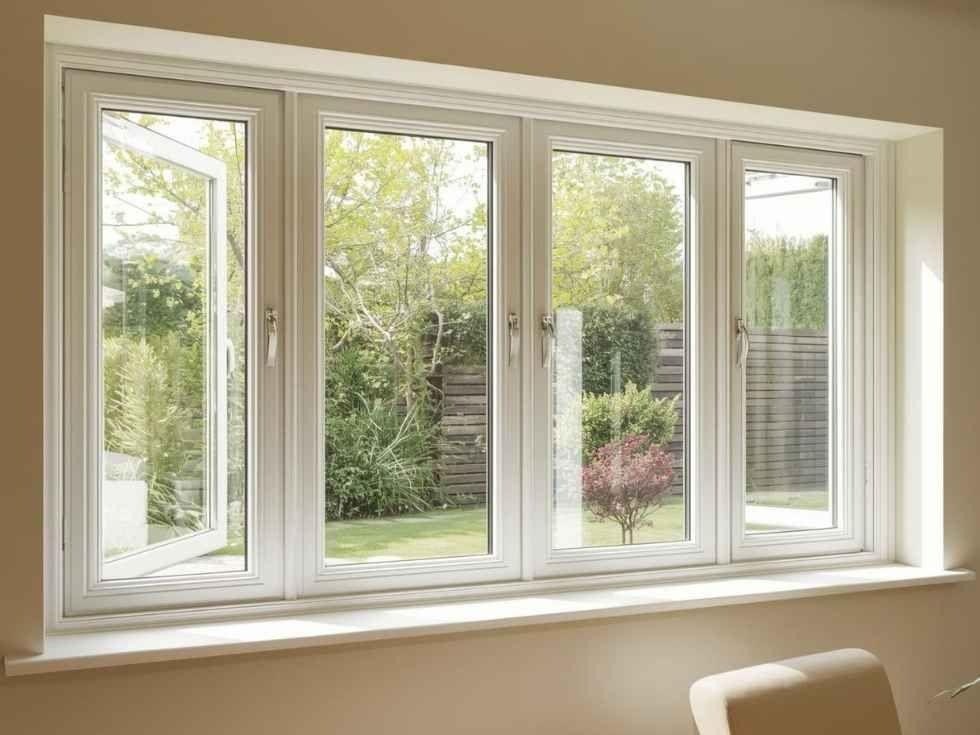
Home security is an important consideration when choosing doors and windows for modern homes. From apartments and independent houses to villas, homeowners look for solutions that combine security, durability, functionality, and attractive design. One feature that can improve door and window security is a multi-point locking system.
Unlike a conventional lock that secures a door or window at a single point, a multi-point locking system engages at multiple positions along the frame. This helps distribute locking pressure and can make forced entry more difficult when the system is properly designed and installed.
For homeowners exploring uPVC doors and windows, understanding how multi-point locking works can help them make informed decisions. In this guide, we explain its mechanism, key components, security benefits, and the features to consider when choosing secure uPVC doors and windows in India.
What Is a Multi-Point Locking System in uPVC Doors and Windows?
A multi-point locking system secures a compatible uPVC door or window at two or more positions along the frame using a coordinated locking mechanism. It can improve frame engagement and make certain forced-entry attempts more difficult when the hardware is correctly specified, installed and maintained. Overall security also depends on the frame, glazing, hinges and installation quality.
Multi-Point Locking: Quick Summary
- Secures compatible doors and windows at multiple points.
- Uses coordinated locking elements and frame keeps.
- Can make some forced-entry attempts more difficult.
- Helps hold the door or window more firmly against the frame.
- Requires compatible profiles and hardware.
- Correct installation and alignment are essential.
- Glazing, hinges and frame construction also affect security.
- Periodic inspection and maintenance help maintain performance.
How Does Multi-Point Locking Improve Home Security?
Multi-point locking improves security by securing a door or window at several positions instead of relying on one locking point. Depending on the hardware design, these points may be located near the top, middle, and bottom of the opening.
When the handle or key is operated, the locking mechanism engages with corresponding keeps or receivers fitted to the frame. This helps hold the door or window more firmly in its closed position.
For homeowners, this can provide several advantages:
- Multiple locking points: The door or window is secured at more than one position.
- Better closing pressure: Suitable systems can help the sash or door leaf close more evenly against the frame.
- Improved resistance to forced entry: Multiple engagement points may make prying the opening more difficult.
- Enhanced everyday usability: A well-adjusted system can provide smooth operation and consistent closing.
However, the overall security of an opening depends on more than the lock alone. Frame construction, hardware quality, glass selection, installation, and maintenance also matter.
What Is Multi-Point Locking in uPVC Doors and Windows?
A multi-point locking system is a mechanism that secures a door or window at two or more points using a coordinated locking arrangement. It is commonly used in suitable door systems and selected window configurations.
When the handle is turned or the key is operated, the mechanism moves several locking elements into their corresponding frame keeps. The exact arrangement depends on the door or window design and the hardware selected.
How Does a Multi-Point Locking System Work?
The operation of a multi-point lock generally follows 4 steps:
- Closing the door or window: The sash or door leaf moves into position against the frame.
- Operating the handle or key: The locking mechanism activates the connected locking elements.
- Engaging multiple points: Hooks, bolts, rollers, or other locking components engage with the frame keeps, depending on the system design.
- Secure the opening: Multiple engagement points help hold the door or window in its closed position.
To open the door or window, the handle or key releases the locking elements.
For effective performance, the locking points must align correctly with their corresponding keeps. Misalignment caused by poor installation, wear, or adjustment issues can affect smooth operation and security.
What Are the Main Components of a Multi-Point Lock?
A multi-point locking arrangement may include the following components:
- Central gearbox: Coordinates the movement of the locking mechanism.
- Locking strip or rod: Transfers movement to the locking points along the door or window.
- Hooks, bolts, or rollers: Engage with the frame to secure the opening.
- Keeps or strike plates: Receive the locking elements and help hold the sash or door in place.
- Handle and cylinder: Allow the user to operate the lock, depending on the system.
- Hinges and frame hardware: Support correct positioning and operation of the opening.
Not every system contains the same components. Always check the hardware specification for the selected configuration.
How Is Multi-Point Locking Different from a Single-Point Lock?
A single-point lock secures a door or window primarily at one location. A multi-point locking system engages at several locations through a coordinated mechanism.
The main difference is how the opening is secured. A single-point arrangement may be suitable for certain applications, while a multi-point system can provide additional engagement points for compatible doors and windows.
For homeowners considering multi-point locking windows or secure uPVC doors, the right choice depends on the opening size, window style, intended use, and overall security requirements.
How Does Multi-Point Locking Make uPVC Doors and Windows Safer?
A reliable locking system is an important part of a secure opening. Multi-point locking can improve the way a compatible door or window is held against its frame, helping reduce opportunities for someone to force it open.
How Do Multiple Locking Points Help Secure a Door?
When several locking points engage with the frame, the closing force is distributed across multiple locations. This can help the door remain more firmly secured than a design that relies only on a single locking point.
The benefits depend on the quality of the hardware, the strength of the frame, correct installation, and the alignment of the locking points.
For entrance doors and other openings where security is a priority, homeowners should ask about the complete locking arrangement rather than evaluating the handle or lock in isolation.
Can Multi-Point Locks Make Forced Entry More Difficult?
Yes. A properly installed multi-point locking system can make certain forced-entry attempts more difficult by requiring the locking points to be overcome at multiple locations.
However, no ordinary locking system can guarantee complete protection against burglary. The actual level of resistance depends on the entire door or window assembly, including the frame, hardware, glazing, hinges, and installation quality.
For additional protection, consider suitable security glazing, compatible reinforced profiles where required, secure cylinders, and professionally fitted hardware.
Why Does Correct Installation Matter for Window Security?
Even a good-quality lock may not perform as intended if it is installed incorrectly. Misaligned locking points, loose hardware, poorly fitted frames, or incorrectly adjusted hinges can affect the way a window closes and locks.
Professional installation helps ensure that the sash aligns with the frame and that the locking elements engage correctly. Periodic inspection can also identify loose handles, difficult operation, and signs of wear before they become bigger problems.
When choosing secure uPVC doors and windows, pay attention to the quality of installation as well as the specifications of the product.
Why Are Multi-Point Locking Windows a Good Choice for Modern Homes?
Modern homes often feature larger windows to improve daylight, ventilation, and views. The locking arrangement should suit the window’s design while supporting everyday security and ease of use.
Multi-point locking windows can be a useful option for compatible window systems, particularly when the selected hardware is designed for the sash size and opening configuration.
How Do Multi-Point Locks Secure Window Sashes?
A window sash is the movable part of a window. In a compatible multi-point system, operating the handle activates several locking elements that engage with keeps fitted to the frame.
This helps hold the sash in its closed position at multiple locations. Correct alignment is essential for the mechanism to work effectively.
The locking design varies between sliding, casement, and other window types. Not every window uses the same multi-point arrangement, so homeowners should confirm compatibility with their supplier.
What Role Do Window Frames and Hardware Play in Security?
Locks work as part of a complete window assembly. The frame, sash, hinges, handles, glazing, and locking hardware must all be suitable for the application.
Important considerations include:
- A well-fitted frame and properly aligned sash.
- Quality hardware compatible with the window configuration.
- Suitable hinges and secure fixing points.
- Appropriate glass and glazing specifications.
- Professional installation and regular maintenance.
A strong locking mechanism cannot compensate for a poorly fitted frame or unsuitable hardware. Overall security comes from the combined performance of these components.
Are Multi-Point Locking Windows Suitable for Apartments and Villas?
They can be suitable for apartments, villas, and independent houses when the chosen window system supports the locking mechanism.
In apartments, homeowners may prioritise secure windows in bedrooms, living rooms, and other accessible openings. In villas and independent houses, ground-floor windows and openings near balconies or terraces may need particular attention.
The best solution depends on the opening design, accessibility, security needs, and product specifications.
What Features Should You Look for in Secure uPVC Doors?
When selecting uPVC doors, consider the complete product rather than focusing on a single security feature. A suitable combination of profile design, locking hardware, hinges, glazing, and installation can help improve performance.
Strong Locking Hardware and Reinforced Profiles
Choose locking hardware designed for the specific door configuration. For applications that require additional structural support, ask the supplier whether reinforcement is used and how it contributes to the complete door assembly.
Do not assume that every uPVC profile or door includes the same reinforcement or locking arrangement. Request product specifications before making a decision.
Quality Hinges, Handles and Locking Mechanisms
Hinges support the door and help maintain alignment. Handles and locking mechanisms should operate smoothly and be compatible with the selected system.
Look for hardware that is appropriate for the door’s dimensions and intended use. Ask about the availability of replacement parts, adjustment procedures, and maintenance requirements.
How Glass Type and Door Design Affect Security
For doors with glazed sections, the type and specification of glass should match the opening’s security and safety requirements. Depending on the application, suitable laminated or other safety glazing may be considered.
Door design also matters. The frame, glazing retention, hinges, locking points, and fixing method work together to determine overall performance.
A secure door is therefore the result of a complete system, not simply a multi-point lock.
How to Choose uPVC Doors and Windows in India?
Indian homes experience varied climatic conditions, including heavy monsoon rain, high temperatures, dust, and humidity. When selecting uPVC doors and windows, homeowners should consider both security and long-term performance.
Which Security Features Matter Most for Indian Homes?
Start by identifying the opening’s purpose and accessibility. An entrance door may require a different security specification from an internal balcony door or a bathroom window.
Consider these factors:
- A locking system suitable for the door or window type.
- Good-quality hinges, handles, and frame keeps.
- Suitable frame construction and reinforcement where required.
- Appropriate glazing for glazed openings.
- Accurate measurements and professional installation.
- Accessible service and replacement hardware.
Also consider weather resistance, ease of operation, and maintenance when evaluating products for local conditions.
Choosing Secure uPVC Doors and Windows for Indian Conditions
Homeowners across India should evaluate both security and environmental suitability when choosing uPVC doors and windows in India. Depending on the location, factors such as strong sunlight, seasonal rainfall, dust, humidity and outdoor exposure may influence the product specifications and maintenance requirements.
Buyers in Bangalore, Hyderabad, Chennai and Delhi should consider the conditions affecting their individual property, along with the opening type, accessibility, glazing, frame construction and locking hardware.
For example, projects exposed to heavy rainfall should pay attention to weather sealing and drainage, while openings exposed to traffic noise may require suitable acoustic glazing and a properly sealed window system. Security should always be assessed separately from weather and acoustic performance.
How to Compare Window and Door Locking Systems
Compare systems based on the number and type of locking points, the quality of the hardware, compatibility with the opening, and the manufacturer’s specifications.
Ask whether the mechanism has been tested as part of the complete assembly and whether relevant performance documentation is available. Where security ratings or certifications are claimed, request supporting documentation.
Avoid choosing solely on price or the number of locking points. A well-designed, properly installed system that suits the opening is more important than a feature count alone.
What to Ask a uPVC Doors and Windows Supplier
Before finalising your purchase, ask the supplier:
- Does this particular door or window configuration support multi-point locking?
- What type of locking hardware is included?
- Are the frame, hinges, and locking components compatible with the selected design?
- Are product specifications or relevant test reports available?
- What installation and maintenance services are provided?
- How can replacement hardware be obtained if required?
Clear answers help you compare options and select a solution that meets your needs.
Why Professional Installation and Maintenance Matter
Professional installation helps ensure that the frame is correctly positioned and that the door or window operates as intended. Once installed, the hardware should be checked periodically.
Keep locking points and keep clean, operate the handle gently, and follow the manufacturer’s maintenance guidance. If the handle becomes stiff, the door starts catching, or the locking points fail to engage properly, arrange an inspection rather than forcing the mechanism.
What Should You Check Before Buying Secure uPVC Doors?
| Factor | What to Verify |
| Locking system | Compatibility with the selected door configuration |
| Profile | Product specifications and system suitability |
| Reinforcement | Whether reinforcement is required for the application |
| Hinges | Suitability for door dimensions and weight |
| Frame | Correct fit, alignment and fixing |
| Glazing | Suitable glass specification for the application |
| Hardware | Compatible handles, cylinders and locking elements |
| Installation | Correct fitting and alignment |
| Maintenance | Inspection and adjustment requirements |
| Support | Warranty terms and replacement hardware availability |
Multi-Point Locking vs Single-Point Locking: Which Is Safer?
Both systems can serve different applications, but a multi-point locking system provides multiple engagement points when correctly designed for the opening.
| Feature | Single-Point Locking | Multi-Point Locking |
| Locking positions | Primarily one point | Multiple points |
| Lock operation | Usually a single locking location | One operation may activate several points |
| Frame engagement | Concentrated at one location | Distributed across multiple locations |
| Potential security benefit | Depends on lock and overall design | Can make certain forced-entry attempts more difficult |
| Hardware complexity | Generally simpler | Generally more complex |
| Maintenance | Depends on the system | Alignment and multiple locking points may require attention |
| Best choice | Depends on the application | Useful for compatible openings requiring multiple engagement points |
Which should you choose? Multi-point locking can offer an additional security advantage for compatible uPVC doors and windows. However, the overall performance of the door or window assembly, hardware quality, installation, and glazing must also be considered.
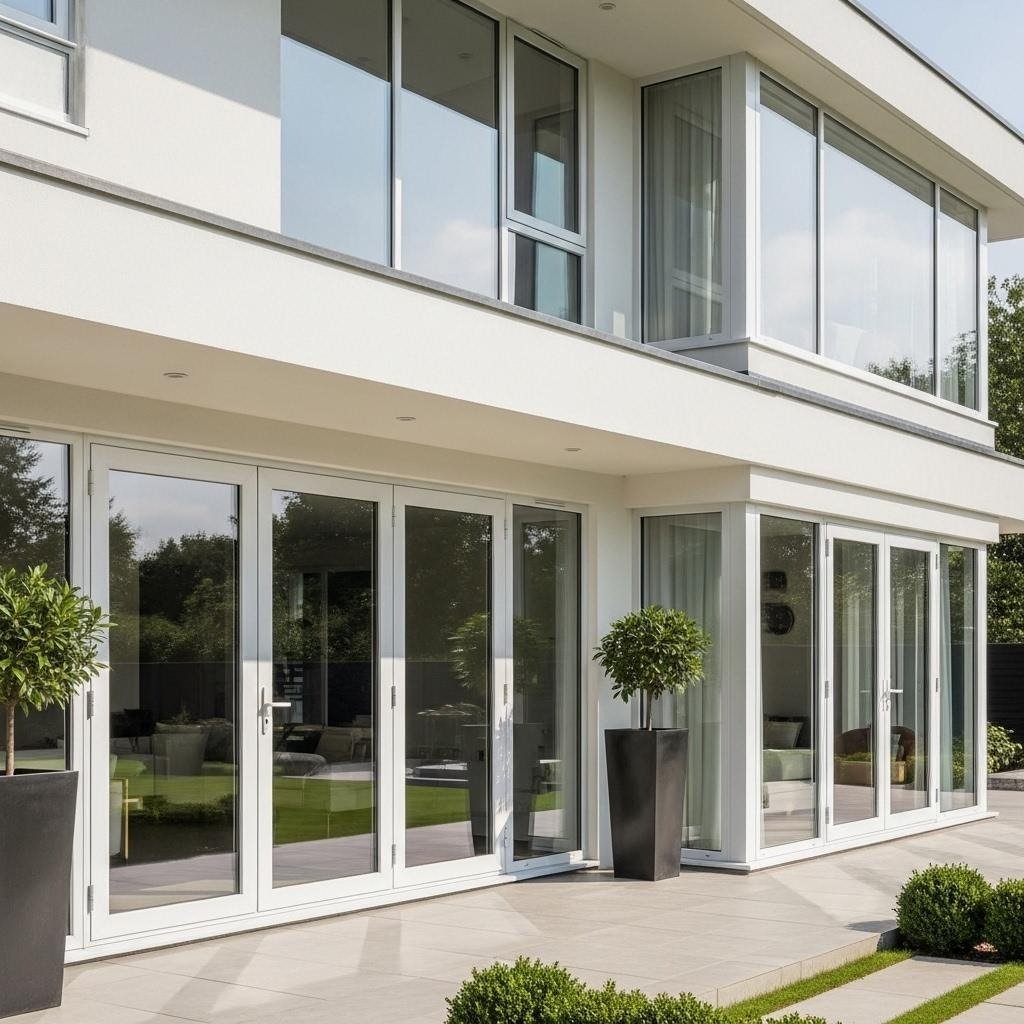
Where Can Multi-Point Locking Be Useful?
| Application | What to Consider |
| Main entrance doors | Locking arrangement, frame strength and suitable hardware |
| Ground-floor windows | Accessibility, glazing and frame engagement |
| Balcony doors | Opening style, hardware and installation |
| Villa windows | Exposure, accessibility and window dimensions |
| Apartment windows | Opening configuration and compatible locking hardware |
| Large window openings | System specifications and structural requirements |
The suitability of multi-point locking depends on the specific door or window configuration. Do not imply that every uPVC window or door automatically supports the same locking system.
Can Multi-Point Locking Prevent Break-Ins?
Multi-point locking can make certain forced-entry attempts more difficult by securing a compatible door or window at several positions. However, it cannot guarantee complete protection against burglary. Security depends on the complete assembly, including the frame, locking hardware, hinges, glazing, installation and the building’s other security measures.
How to Maintain Multi-Point Locking Systems
- Check that the handle operates smoothly.
- Inspect the locking points and frame periodically.
- Keep the mechanism clean and follow the manufacturer’s maintenance instructions.
- Check for loose handles, hinges or other hardware.
- Arrange professional adjustment if the door or window becomes difficult to close.
- Use compatible replacement components when repairs are required.
Avoid recommending unverified lubricants or repair methods; follow the hardware manufacturer’s instructions.
Why Choose Sarvesh Eroline for uPVC Doors and Windows?
Choosing the right uPVC doors and windows starts with understanding the profile system, available configurations, hardware compatibility, and intended application.
Sarvesh Eroline offers uPVC profile solutions for door and window applications, helping channel partners and fabricators select suitable configurations for different building requirements.
Then support the section with verified product information where available:
- Relevant uPVC profile series
- Compatible door and window configurations
- Applicable product certifications
- Hardware compatibility information
- Technical specifications
- Fabricator or dealer support
- Warranty and after-sales arrangements
Quality of uPVC Profiles and Hardware
The profile and hardware should work together as a complete system. When evaluating a solution, confirm the compatible locking arrangements, hardware specifications, and fabrication requirements with your supplier.
Security Features for Different Home Designs
Apartments, villas, and independent houses have different opening requirements. The appropriate configuration depends on the window or door type, dimensions, accessibility, and the selected hardware.
Discuss these requirements with your fabricator or authorised dealer to identify a suitable solution.
Choosing the Right Door and Window Configuration
Eroline uPVC profiles can be considered for different door and window designs, depending on the available profile series and compatible hardware. Discuss the intended application, opening style, colour preferences, and glazing requirements before finalising a configuration.
Installation and After-Sales Support
Correct fabrication and installation are important for the operation and long-term performance of uPVC doors and windows. Work with an experienced fabricator or dealer who can guide you on measurements, hardware compatibility, fitting, and maintenance.
For product details and dealer enquiries, visit the official Eroline website: https://www.sarvesheroline.com/
Frequently Asked Questions
What is a multi-point locking system in uPVC windows?
A multi-point locking system secures a compatible window sash at two or more locations using a coordinated mechanism. When the handle is operated, multiple locking elements engage with corresponding keeps on the frame.
Are multi-point locks safer than single-point locks?
Multi-point locks can improve security by engaging the frame at multiple locations, potentially making certain forced-entry attempts more difficult. Actual security depends on hardware quality, frame construction, glazing, installation, and the overall design.
What features should I look for in secure uPVC doors?
Look for compatible locking hardware, suitable hinges, well-fitted frames, appropriate glazing, and professional installation. Ask your supplier for relevant specifications and maintenance guidance.
Are multi-point locking windows suitable for Indian homes?
Yes, multi-point locking can be suitable for compatible window configurations in apartments, villas, and independent houses. The right system depends on the opening style, dimensions, accessibility, and local environmental conditions.
How can I improve the security of uPVC doors and windows?
Choose suitable locking hardware, ensure correct installation, maintain hinges and locking points, and select appropriate glazing for glazed openings. Arrange an inspection if the handle becomes difficult to operate or the locking mechanism no longer engages correctly.
Conclusion
Multi-point locking is a useful feature to consider when selecting uPVC doors and windows for modern homes. By securing an opening at multiple locations, a compatible system can improve frame engagement and make certain forced-entry attempts more difficult.
However, effective security depends on the complete assembly, including profiles, hardware, glazing, fabrication, and installation. Understanding these factors helps homeowners make informed decisions and choose solutions suited to their building requirements.
Explore Sarvesh Eroline uPVC profile solutions and speak with an authorised dealer or fabricator to find the right configuration for your project.
Eroline – India’s First ISI Certified uPVC Doors & Windows.
Trending Blogs
-
#1. Before Buying uPVC Windows, Ask These 7 Questions to Avoid Regret
-
#2. Tired of Noise? Discover How the Right uPVC Windows Bring Peace
-
#3. How to Choose a Premium uPVC Profile Manufacturer in India
-
#4. uPVC Doors for Bathroom in Bangalore for Modern Apartments
-
#5. What Are the Pros & Cons of Casement Windows?
-
#6. How to Select uPVC Doors and Windows for Offices and Commercial Buildings
-
#7. Best uPVC Windows in Hyderabad for Heat and Dust Protection
-
#8. How uPVC Windows Protect Homes During the Monsoon
-
#9. Which uPVC Door Is Best for Apartments and Modern Homes Today
-
#10. Why Are uPVC Windows the Best Choice for Modern Villa Homes?
Latest Blogs